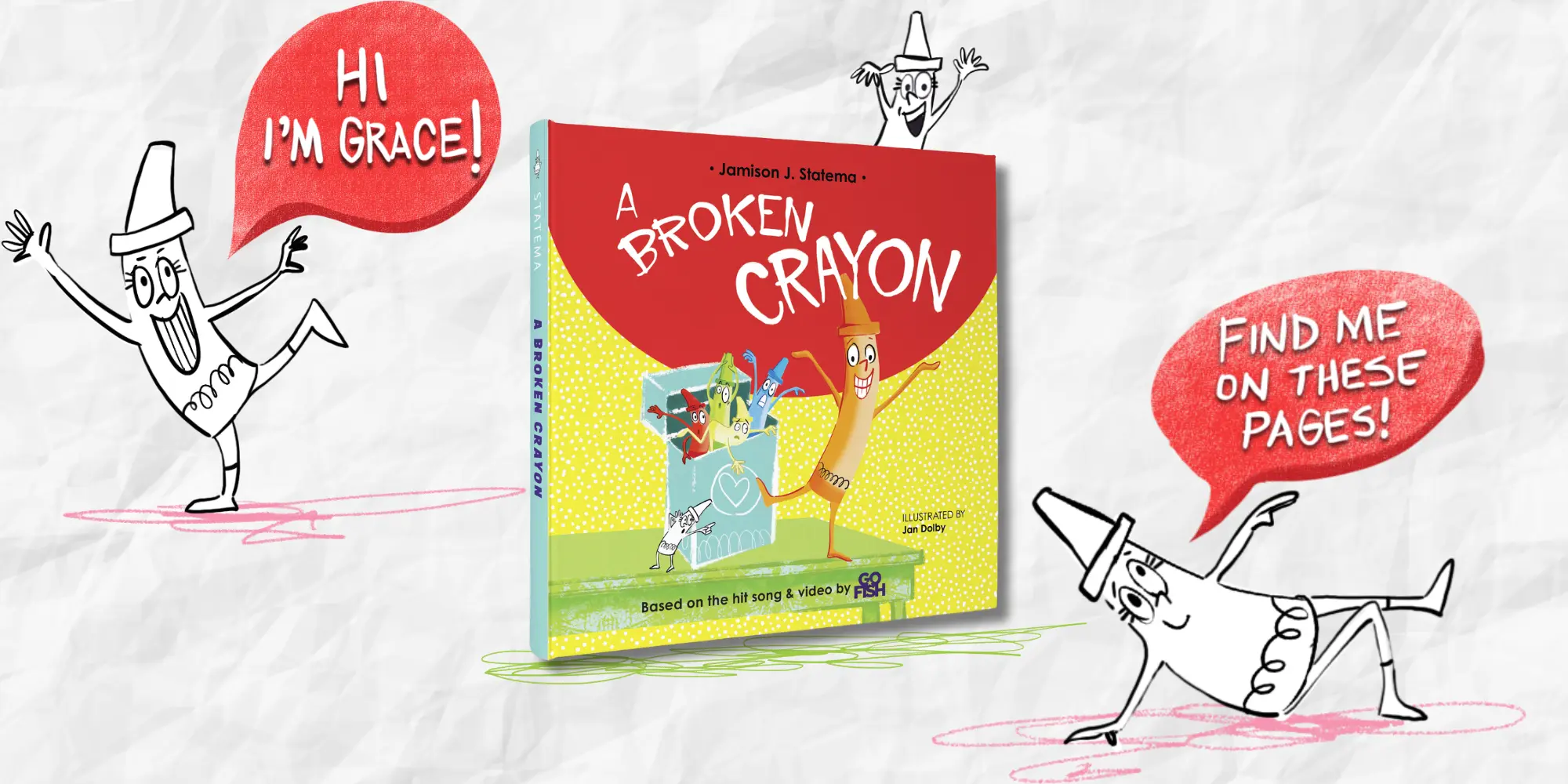
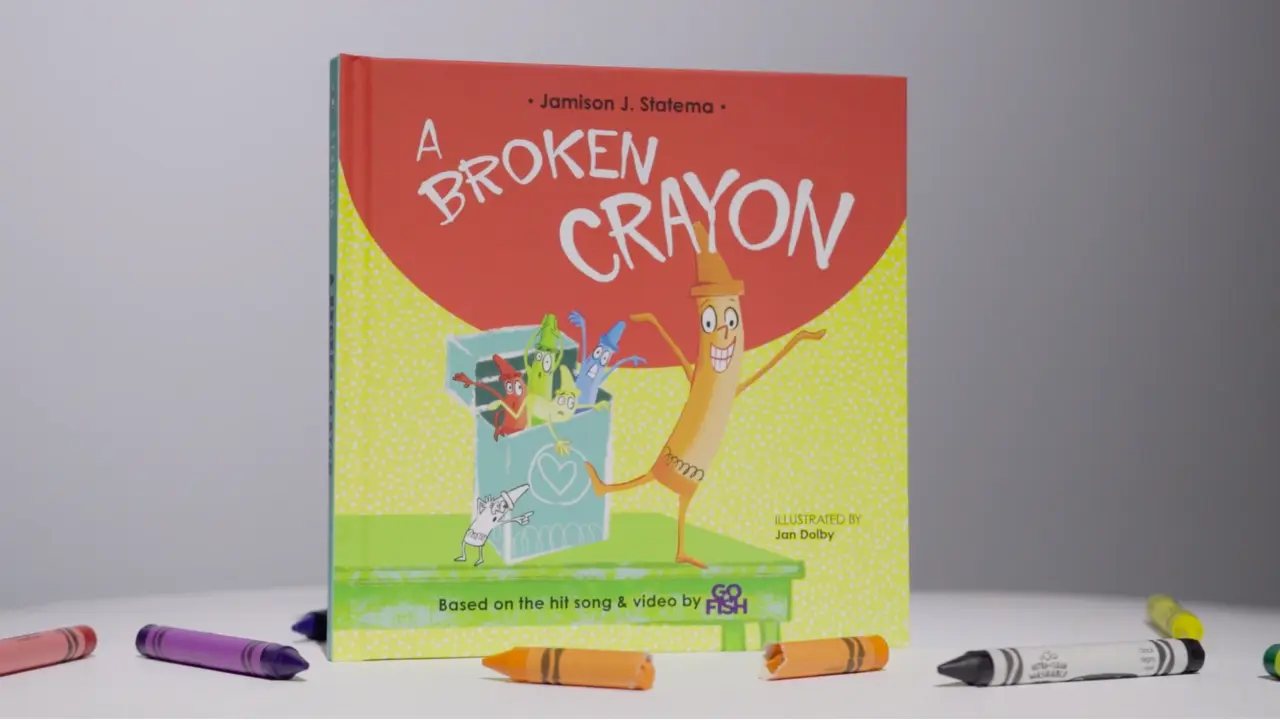
One of the things I’m most excited about with A Broken Crayon is how adaptable it is. While it works beautifully as a children’s picture book, it was intentionally created to function as a conversation starter and practical resource for educators, counselors, and mental health professionals.
At its core, the story addresses universal themes—identity, resilience, honesty, and self-worth—that align naturally with Social-Emotional Learning (SEL) goals across grade levels. Because of that, A Broken Crayon has found a place in classrooms, counseling offices, and professional development settings.
In schools, the book can be used in several effective ways:
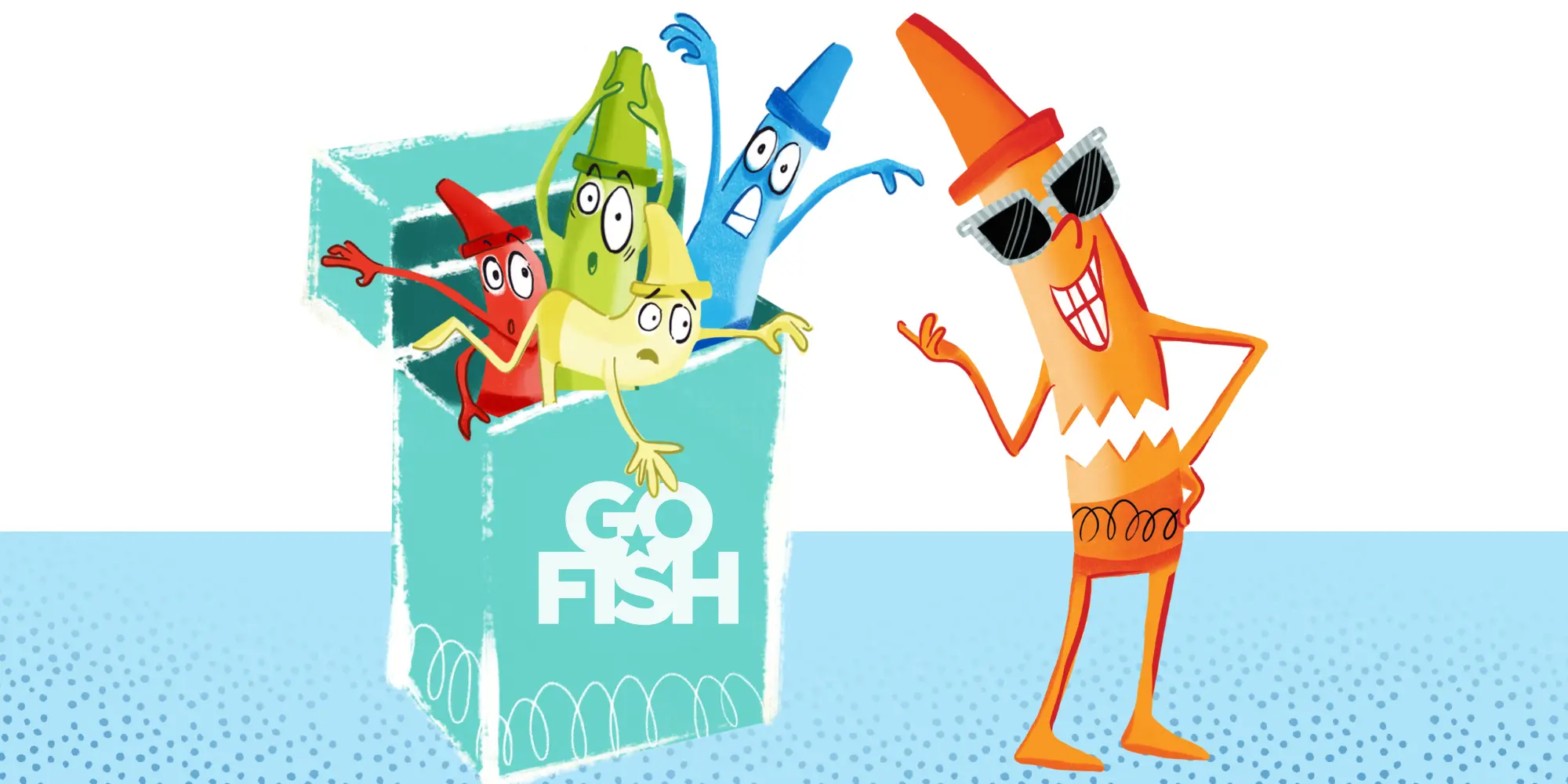
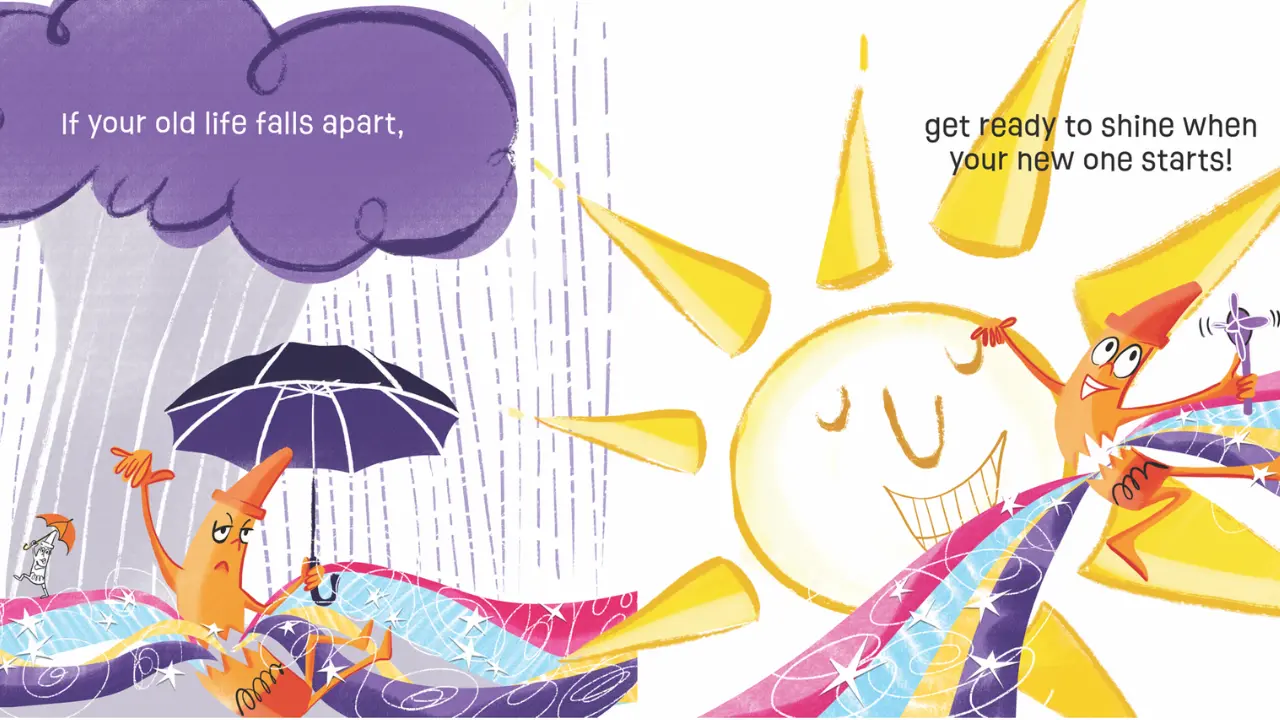
Students often connect quickly with the four “broken crayon” types introduced in the story (tired, pretending, hurt, and honest), giving teachers shared language that makes emotional conversations more accessible and less intimidating.
School counselors, social workers, and therapists have used A Broken Crayon as a gentle entry point for deeper conversations. The metaphor allows students to talk about themselves without feeling singled out, which can be especially helpful for children navigating stress, trauma, or major life changes.
The discussion questions included in the book are intentionally open-ended, making them useful in:
Beyond student-facing use, A Broken Crayon has also been incorporated into education and mental health conferences. The story provides a shared framework for discussing burnout, compassion fatigue, and the importance of creating emotionally safe environments—for students and the adults who support them.
Educators often remark that the message resonates just as deeply with them as it does with their students.
Schools and districts also have the option to book the author for in-person or virtual events, including:
These visits are interactive, age-appropriate, and designed to complement existing SEL initiatives rather than replace them.
A Broken Crayon isn’t about fixing kids or labeling emotions. It’s about helping students recognize that struggle is part of being human—and that even when something feels broken, it still has value.
For educators, administrators, and mental health professionals, the book offers a flexible, inclusive tool that supports both academic and emotional growth.
To learn more about classroom resources, bulk ordering, or booking an author visit for your school or conference, visit our booking page.