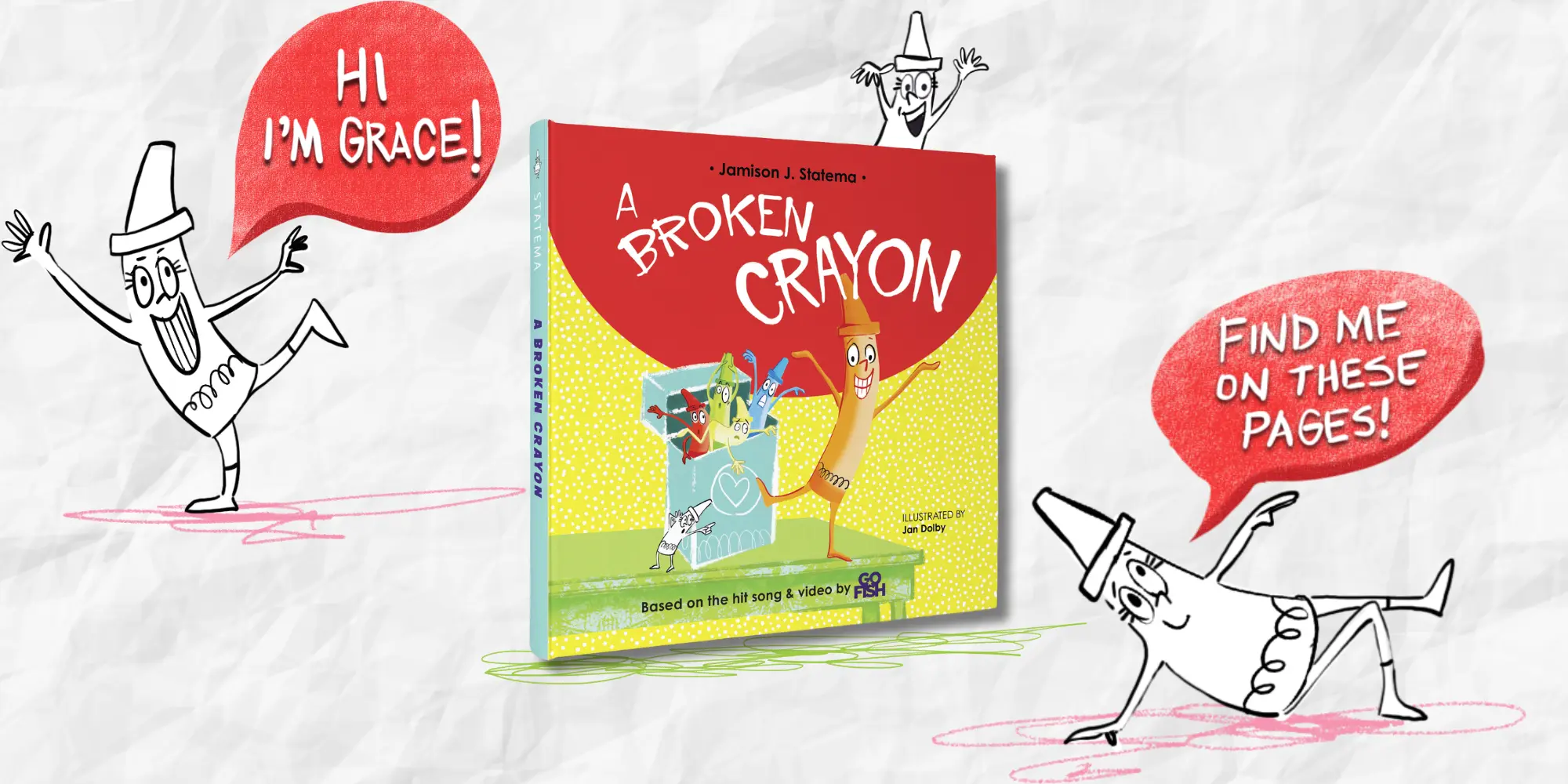
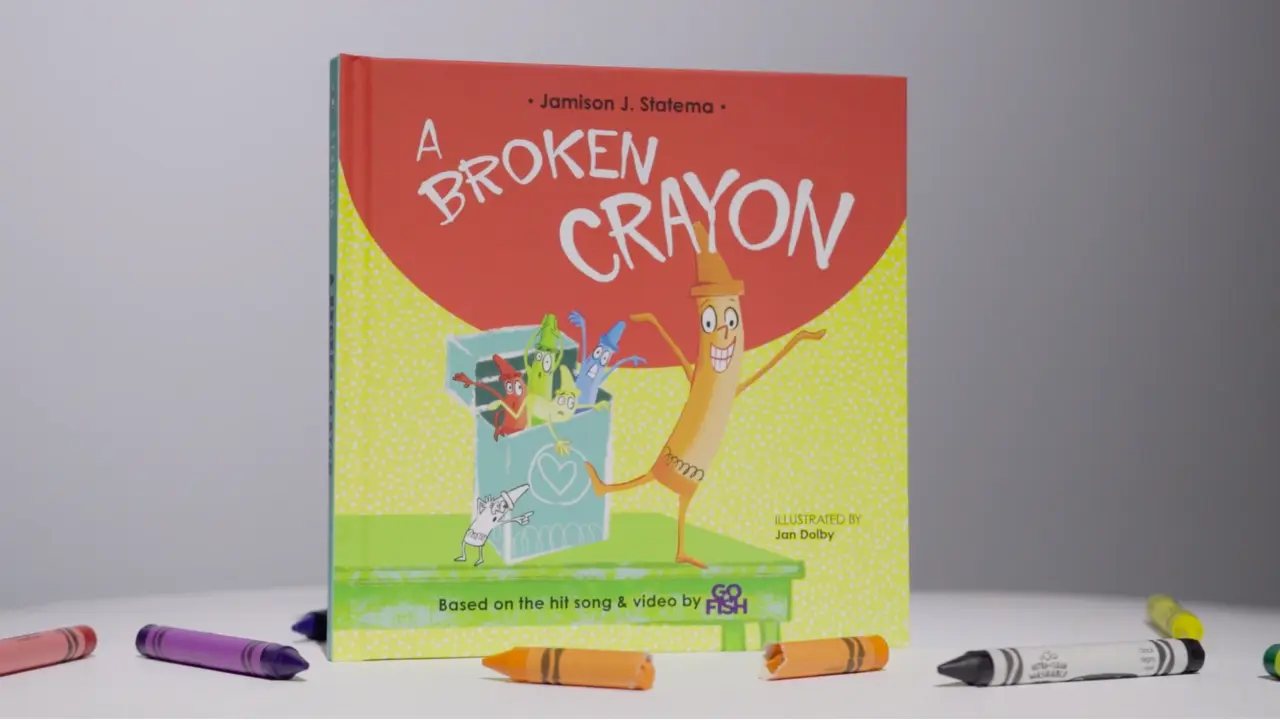
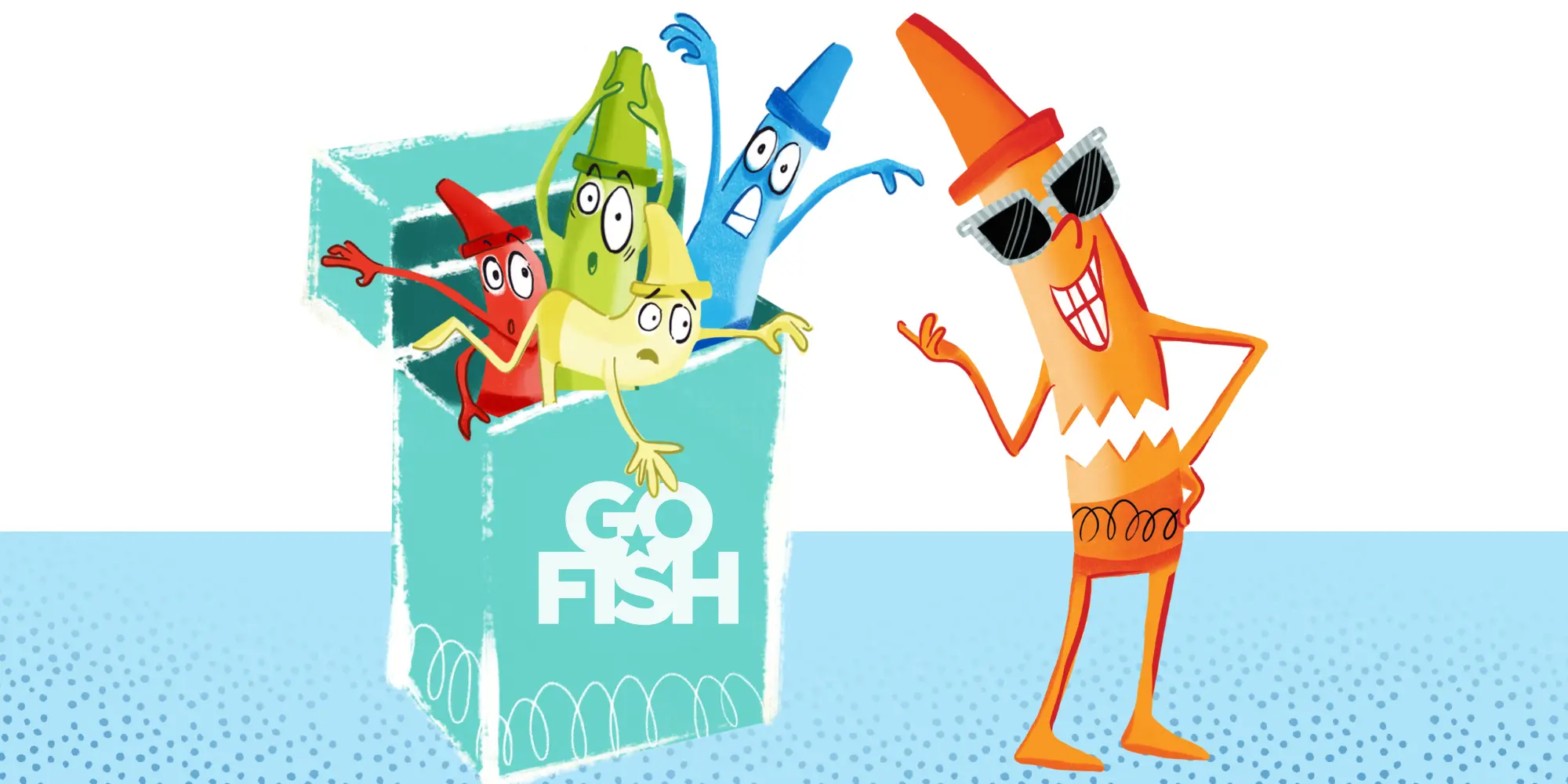
As I’ve shared A Broken Crayon with students, educators, parents, and counselors, one thing has become clear: kids immediately recognize themselves in the story.
Over time, I began talking about different “types” of broken crayons—not as labels, but as shared experiences. These crayons represent the emotional states many children (and adults) find themselves in at different points in life. Naming them gives students language for what they’re feeling and opens the door to meaningful conversation.
Here are the four broken crayons we focus on when using the book in educational settings.
This crayon has been coloring nonstop. It’s trying hard, pushing through, and doing its best to keep up—but it’s worn down.
In the classroom, this might look like:
Teaching takeaway:
Students need permission to rest, reset, and ask for help. Being tired doesn’t mean they’re failing—it means they’re human.
This crayon looks fine on the outside, but something isn’t right underneath. It smiles, follows the rules, and avoids drawing attention—but it’s hiding how it really feels.
In the classroom, this might look like:
Teaching takeaway:
This crayon reminds us how important it is to create safe spaces where honesty is welcomed and emotions are allowed.
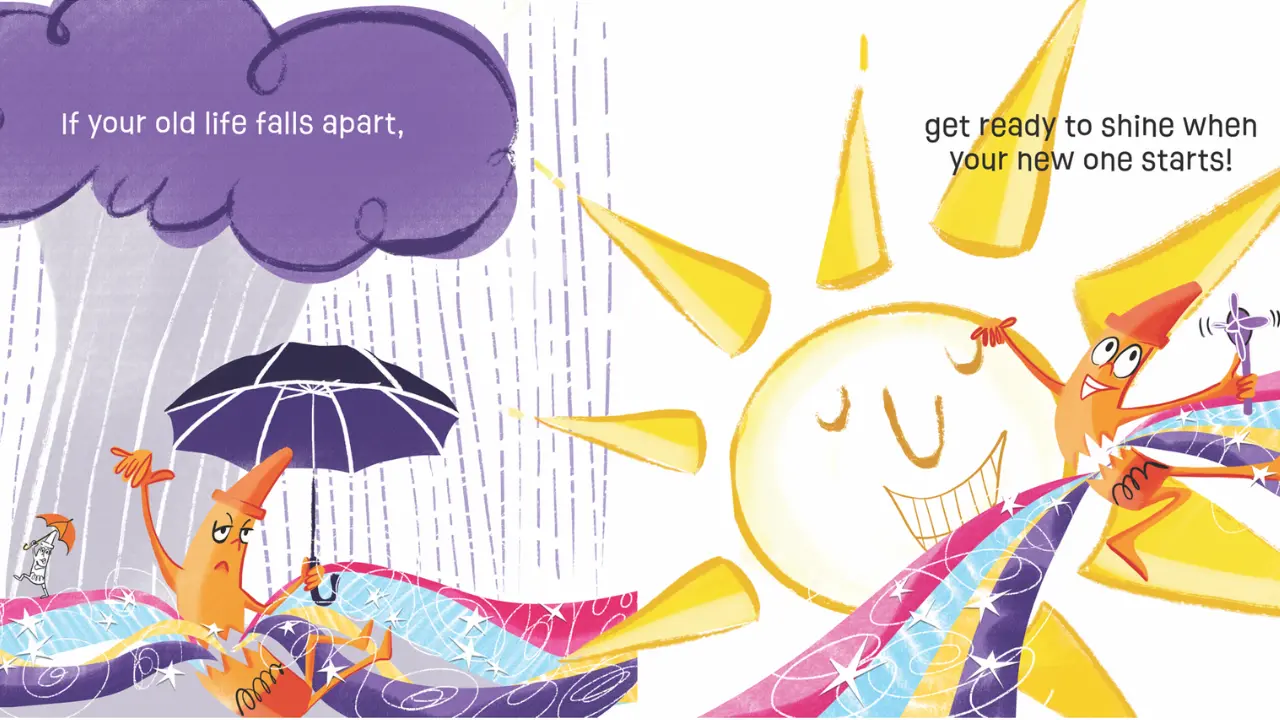
Some crayons are broken because of experiences beyond their control—loss, trauma, instability, or major life changes. These crayons didn’t break because they were careless; they broke because life was heavy.
In the classroom, this might look like:
Teaching takeaway:
Behavior often tells a story. This crayon helps students (and educators) practice empathy and patience, recognizing that unseen experiences shape how kids show up.
This is the turning point. The honest crayon finally admits, “I’m broken.” And instead of being thrown away, it’s picked up and used in a new way.
In the classroom, this might look like:
Teaching takeaway:
Honesty isn’t weakness—it’s a skill. When students can name their feelings, they’re better equipped to manage them and move forward.
These four crayons give educators a shared vocabulary for social-emotional learning. Instead of asking students to explain complex emotions, we can ask simple, accessible questions:
That’s why A Broken Crayon includes discussion questions and reflective activities. The goal isn’t to “fix” students—but to help them feel seen, understood, and capable.
The core message is one every child needs to hear:
Feeling broken doesn’t mean you’re done. It means you’re still in the story.